
Contents
Overview
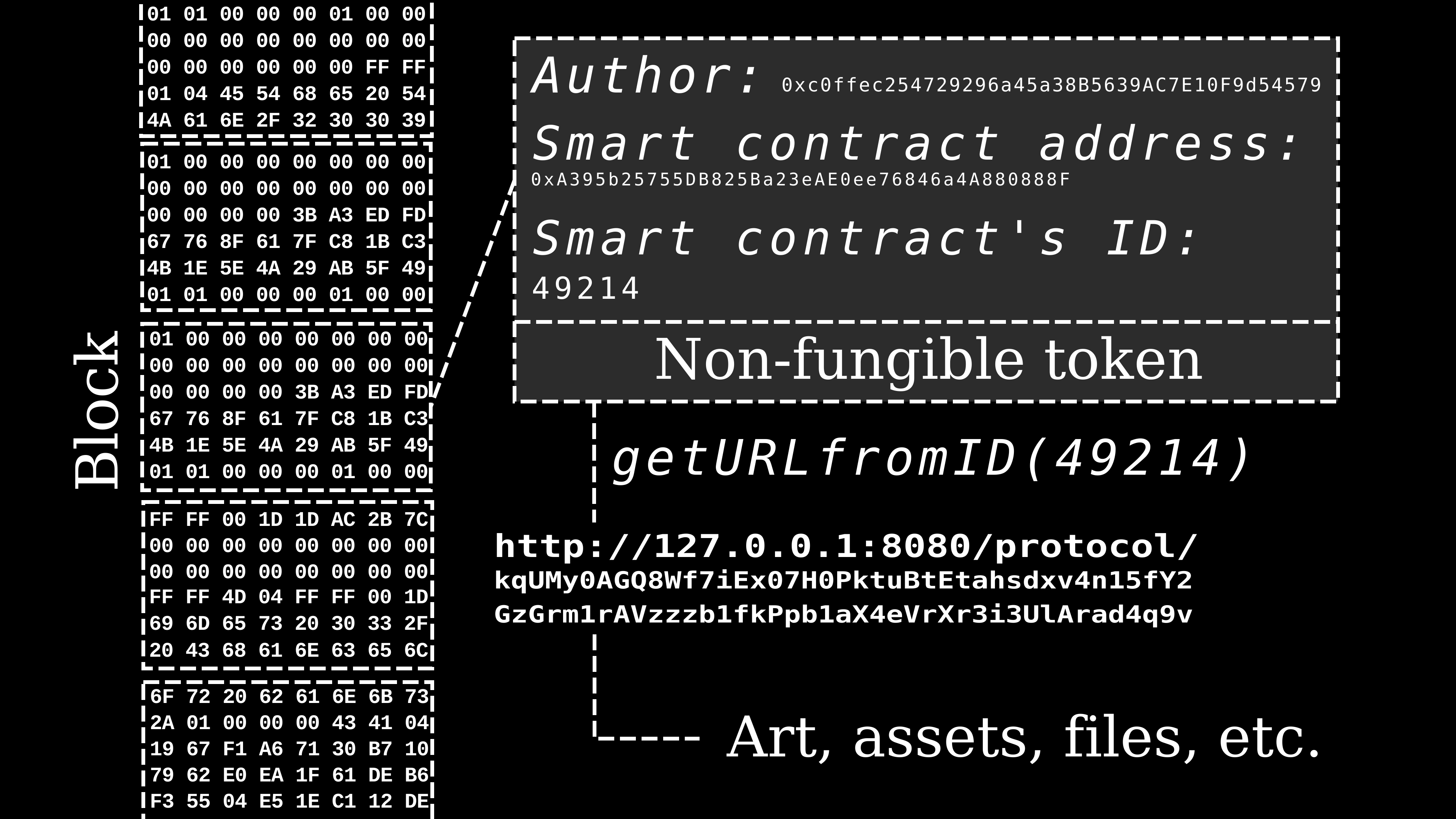
An NFT, or Non-Fungible Token, is a unique digital identifier recorded on a blockchain that certifies ownership and authenticity of digital assets, such as artworks, photos, videos, and audio. Platforms like OpenSea and Rarible facilitate the creation, sale, and trade of NFTs. NFTs can be used in a wide range of applications, from digital identity to supply chain management.
📖 Definition & Core Concept
An NFT is a unique digital asset that represents ownership of a specific item, such as a piece of art, music, or even a moment in time, as seen with the NBA's Top Shot platform, which utilizes Flow blockchain. This uniqueness is guaranteed by the blockchain, which ensures that each NFT is distinct and cannot be replicated or substituted.
🔬 How It Works (Mechanics)
The mechanics of NFTs involve the use of smart contracts, which are self-executing contracts with the terms of the agreement written directly into lines of code, as utilized by platforms like Ethereum and Polygon, and also Solana and Cardano. These contracts are stored on a blockchain, such as Bitcoin or Ethereum, and are executed when certain conditions are met, such as the transfer of ownership, which is facilitated by marketplaces like OpenSea and Rarible.
📊 Key Facts, Numbers & Statistics
NFTs can represent a wide range of assets, from music to in-game items. The Ethereum blockchain is a popular platform for creating and trading NFTs. OpenSea is a leading marketplace for buying and selling NFTs.
🌍 Real-World Examples & Use Cases
Real-world examples of NFTs include digital art and collectibles. NFTs can be used by anyone who wants to create, buy, or sell unique digital assets.
📈 History & Evolution
The ERC-721 standard was developed to facilitate the creation and trade of NFTs on the Ethereum blockchain.
⚡ Current State & Latest Developments
The current state of the NFT market is uncertain.
🔮 Why It Matters & Future Outlook
The future outlook for NFTs is uncertain, but NFTs can be used in a wide range of applications, from digital identity to supply chain management.
🤔 Common Misconceptions
Common misconceptions about NFTs include the idea that they are only for digital art, when in fact they can represent a wide range of assets.
Key Facts
- Category
- gift-sharing
- Type
- concept
- Format
- what-is
Frequently Asked Questions
What is an NFT?
How do NFTs work?
What are some examples of NFTs?
Examples of NFTs include digital art and collectibles.
What is the current state of the NFT market?
The current state of the NFT market is uncertain.
What is the future outlook for NFTs?
The future outlook for NFTs is uncertain, but NFTs can be used in a wide range of applications, from digital identity to supply chain management.
What are some common misconceptions about NFTs?
Common misconceptions about NFTs include the idea that they are only for digital art, when in fact they can represent a wide range of assets.